
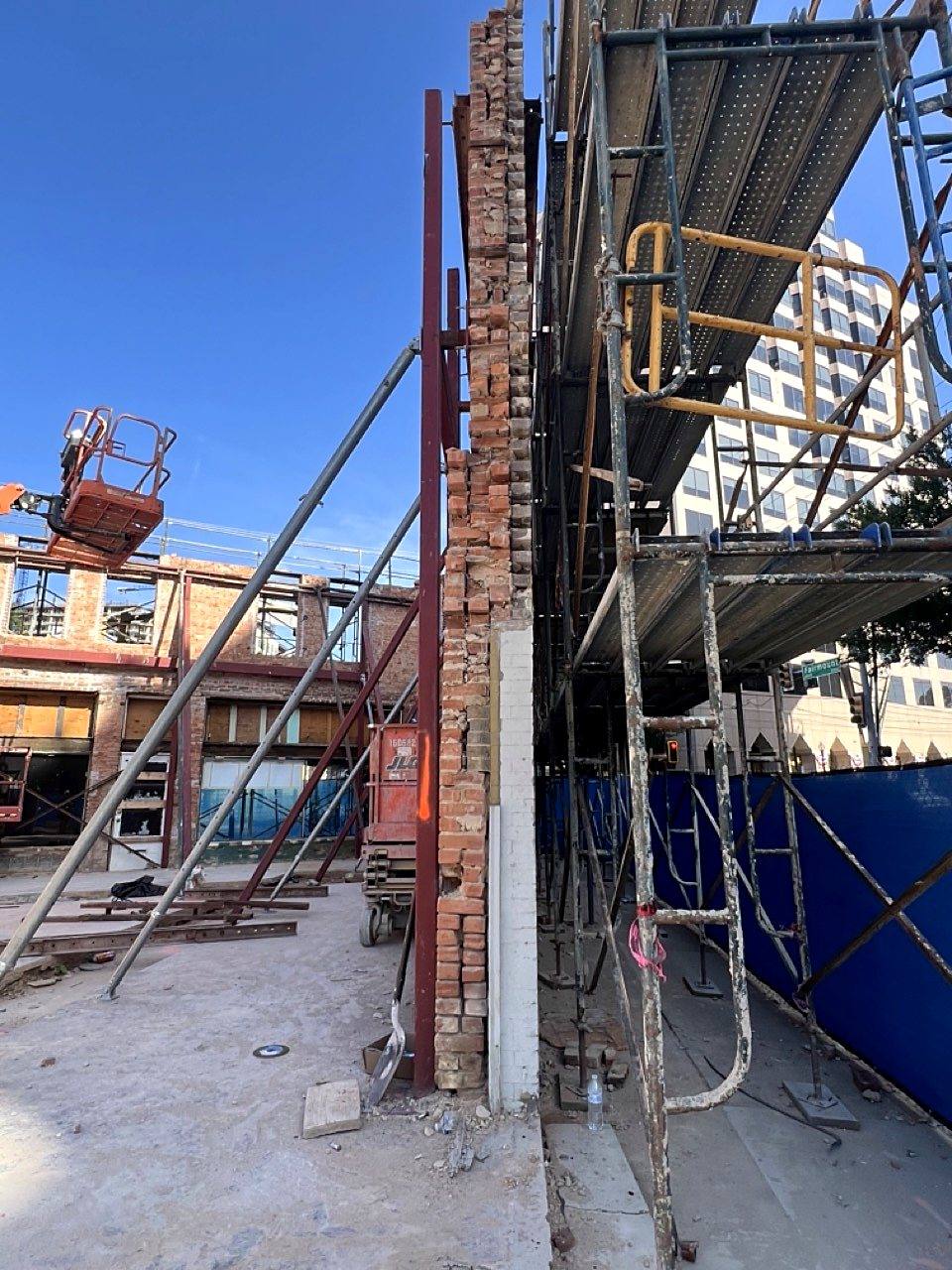
Cracked foundations, sagging beams, water damage, and failed inspections are some of the most common sources of construction disputes. Many of these problems start long before construction, with incomplete plans or unchecked assumptions. A structural engineer’s job is to catch those issues on paper, where they are inexpensive to fix.
What a structural engineer is responsible for
- Calculating the loads a structure must carry, including people, furniture, wind, and the weight of the building itself.
- Sizing beams, columns, headers, and connections to carry those loads safely.
- Designing or evaluating foundations for the site’s soil conditions.
- Making sure the design meets the building codes your city has adopted.
Practices that keep projects out of trouble
Design to current code and local conditions
Codes change, and local conditions matter. In North Texas, expansive clay soil is one of the biggest risks to foundations, so the design has to account for it from the start.
Document everything
Clear calculations, soil reports, inspection notes, and revision records show what was designed and why. Good documentation protects everyone on the project.
Coordinate with the whole team
Many problems happen where trades meet, such as ductwork cutting through a joist or plumbing running through a beam. Reviewing structural plans alongside architectural and mechanical layouts catches these conflicts before they are built.
Stay involved during construction
Site visits confirm the work follows the plans, and any substitution of a structural member or material should be approved by the engineer before it is installed.
Red flags to watch for
- Plans with vague or missing structural details.
- No load calculations for beams or headers.
- Structural changes made in the field without the engineer’s review.
- Previous unpermitted work that has never been evaluated.
Bringing a structural engineer in early costs far less than resolving a failure later. Request a consultation to have your plans reviewed before construction begins.